Breakthrough AI System Converts Brain Waves to Speech, Offering New Hope for Paralyzed Individuals
Breakthrough AI System Converts Brain Waves to Speech, Offering New Hope for Paralyzed Individuals
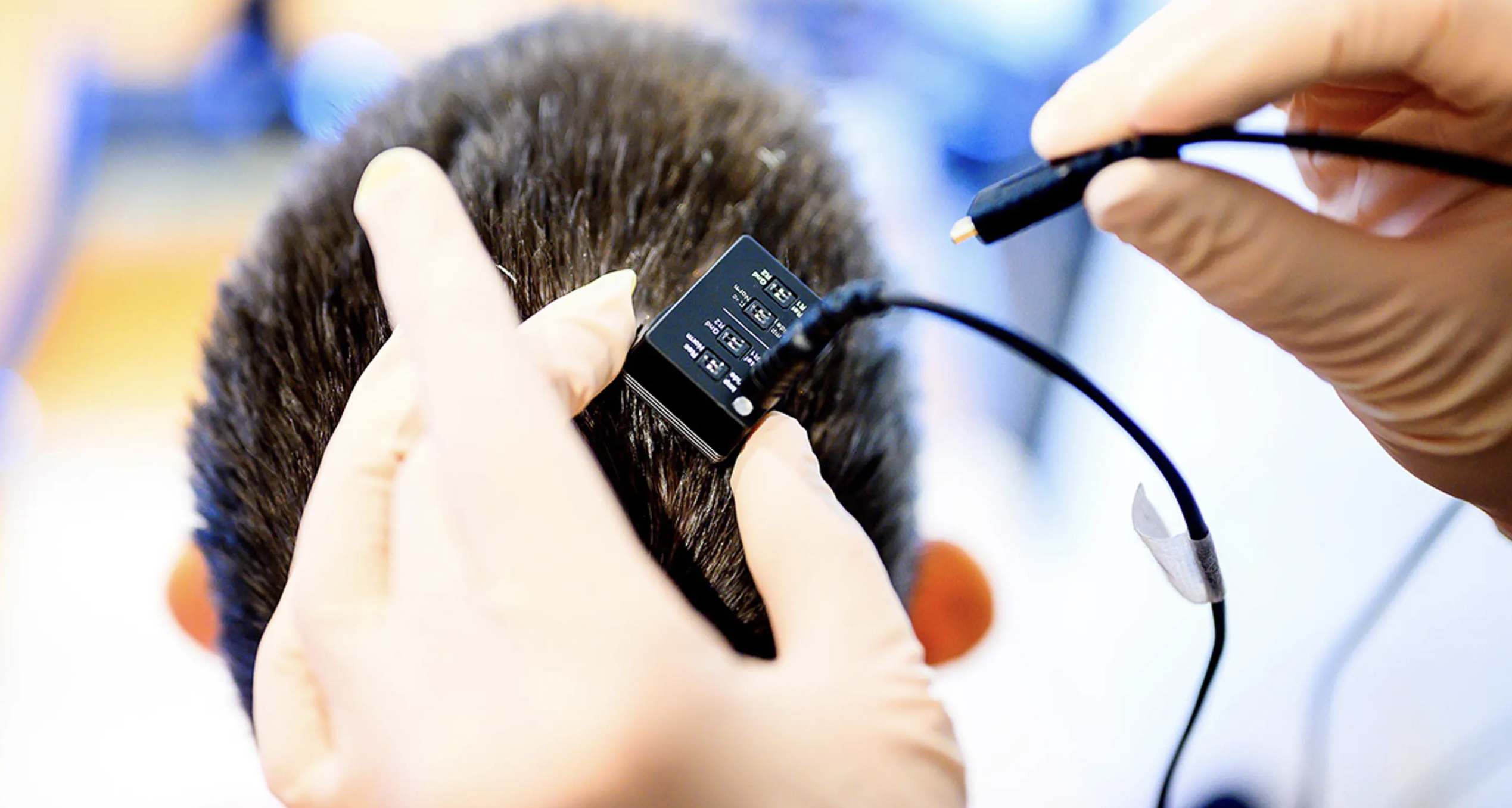
Researchers from UC Berkeley and UC San Francisco have developed a groundbreaking AI system that converts brain waves into spoken words, enabling paralyzed individuals to communicate using their own voices in near real-time. Published in Nature Neuroscience, this technology represents a significant leap forward in neuroprosthetic speech restoration.
The system works by sampling neural data from the brain's motor cortex and using AI to decode this activity into spoken words. Most impressively, it begins processing and outputting speech within one second of attempted speech—dramatically improving upon the eight-second delay in previous research.
"This advancement represents a convergence of brain-computer interface technology with consumer AI voice processing systems," said a researcher involved with the project. "We're bringing capabilities similar to voice assistants like Alexa and Siri to medical neuroprosthetics."
The technology functions with various brain-sensing interfaces and employs a secondary text-to-speech model developed using recordings of the patient's natural voice from before their injury, creating a more personalized communication experience.
For individuals with conditions like paralysis and ALS, this system offers the potential to restore fundamental human connection through verbal communication, though researchers acknowledge the output still lacks perfect natural pacing.
Looking forward, the research team aims to further enhance the technology by increasing processing speed and developing more expressive voice outputs.
