
The Secret AI Power Everyone Overlooked Until Now
The Secret AI Power Everyone Overlooked Until Now
I've spent three decades immersed in sound. As a composer, mixer, and audio engineer, I've watched technology transform at breakneck speed. But something interesting happened last summer during the entertainment industry strikes. With unexpected time on my hands and AI dominating the conversation, I started asking a different question:
How might this technology actually improve people's lives?
Not the glossy corporate applications. Not the fancy media productions. But real, everyday human lives.
What I discovered launched me on a completely new path. While everyone focuses on AI's technical capabilities, they're missing its most powerful feature – its ability to connect with our deepest emotional needs.
When Tech Meets Heart
AI is everywhere now. The technical barriers are falling daily. Soon, the algorithms, processing power, and implementation tools will be commodities anyone can access. When that happens, technical superiority won't be the competitive edge anymore.
So what will be? Human connection.
I started Family Voices AI because I saw something others missed. Voice preservation isn't primarily a technical challenge – it's an emotional one. People don't want their voices preserved because the technology is cool. They want it because it maintains connections across generations.
The grandmother who records stories for grandchildren she might never meet. The father who wants his kids to hear his voice long after he's gone. The families trying to piece together their histories from fragments of memory.
These aren't technical problems. They're human ones.
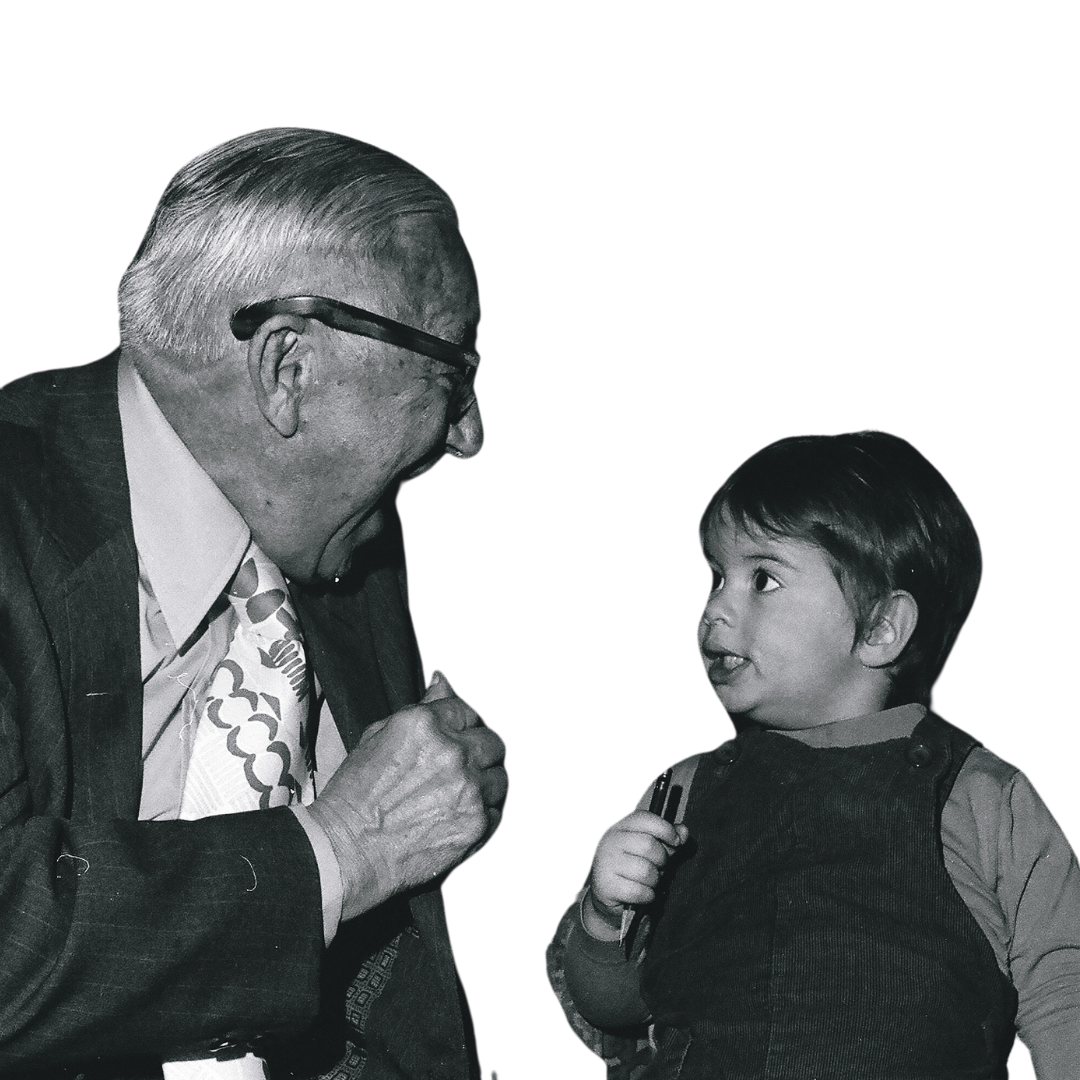
As AI becomes more accessible, I've noticed something fascinating. The companies focusing solely on technical superiority are struggling to explain why anyone should care. Meanwhile, applications that touch emotional needs find immediate resonance.
People understand value when they feel it. When a family hears their grandfather's voice tell stories they've never heard before – stories that would have been lost forever – the value is instant and overwhelming. No technical explanation needed.
This principle extends far beyond voice preservation. Look at any AI application gaining real traction with everyday people. They all tap into fundamental human needs – connection, memory, identity, belonging.
The winning formula isn't about having the most advanced neural networks. It's about understanding what makes us human.
Another key insight from my journey: accessibility matters more than sophistication. The everyday person doesn't care about the technical details. They care about results that touch them emotionally.
When we first started, I tried explaining voice cloning technology to potential users. Their eyes glazed over. When I switched to asking about the stories they wished they could preserve, everything changed. Their eyes lit up.
Technical people often miss this. We get excited about capabilities and features. Regular people get excited about meaning and connection.
By making our technology approachable, explaining it in simple terms, and focusing on the emotional outcome rather than the process, we've created something people actually want to use.
The most valuable skill in the AI era won't be building algorithms. It will be building bridges between technology and human experience. Understanding both worlds and connecting them meaningfully.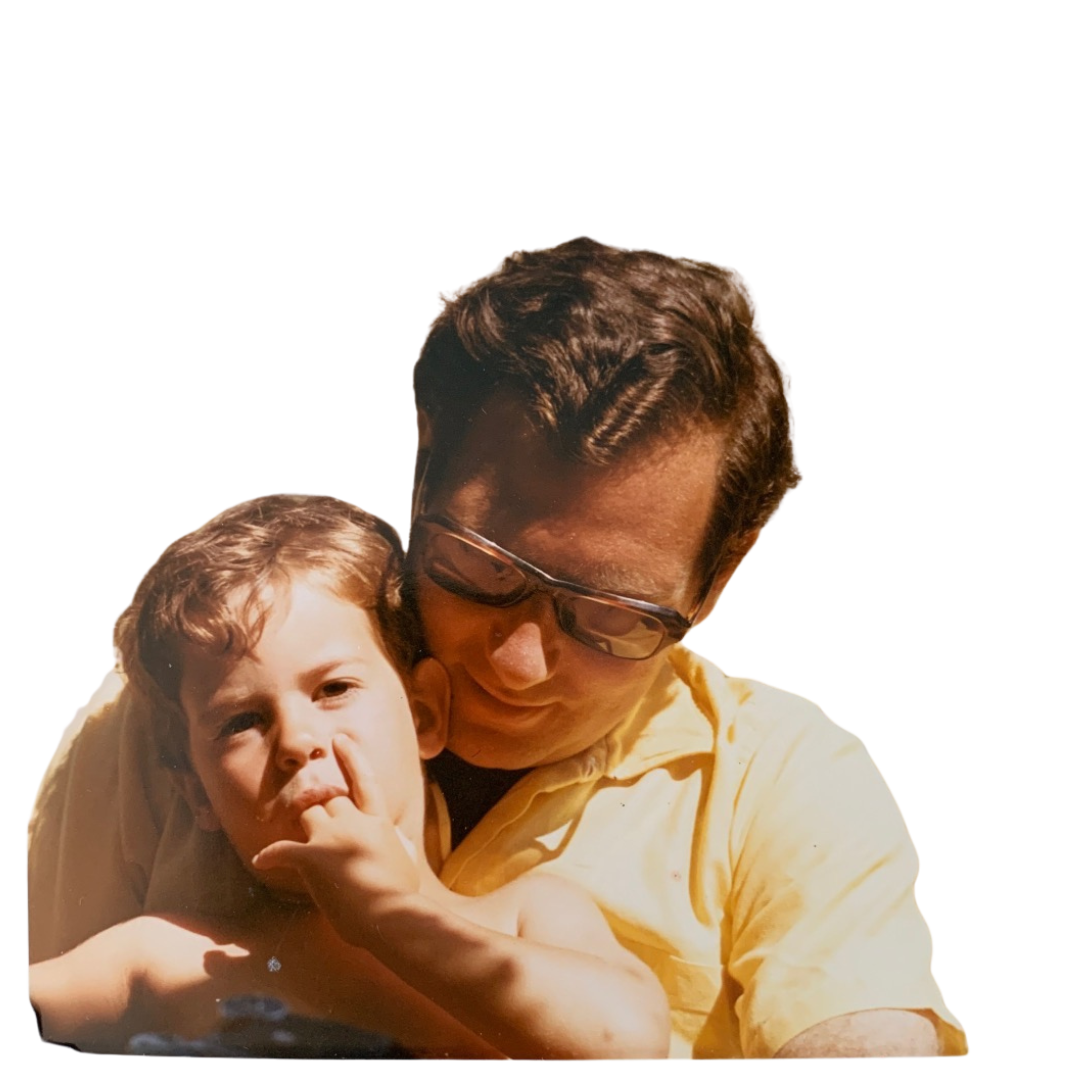
I've watched families test our interactive family tree based on voice cloning. The technology itself impresses them briefly. But when they hear their mother tell a childhood story they've never heard before – that's when the magic happens. That's when technology disappears and pure human connection takes over.
This is where lasting competitive advantage lies. Not in having marginally better technology that will be obsolete in months. But in creating experiences so emotionally resonant that they become essential to people's lives.
My background gave me technical expertise with sound. But what makes our approach work is understanding why voices matter to people. Why stories connect generations. Why hearing someone speak feels fundamentally different from reading their words.
We're building toward a future where family members can have video conversations with ancestors they never met. Imagine asking your great-grandmother about her childhood directly – hearing her actual voice, seeing her expressions, learning family history firsthand.
The technology making this possible is fascinating. But what matters isn't the technical achievement. It's the emotional impact of connecting with your roots, understanding where you came from, and preserving those connections for future generations.
This principle applies universally. As AI capabilities become widely available, competitive advantage will shift from technical innovation to emotional intelligence – understanding human needs and leveraging technology to serve them.
Starting Family Voices AI taught me that true innovation isn't just about pushing technical boundaries. It's about finding the human heart within technology.
The next wave of successful AI applications won't win because they have marginally better algorithms. They'll win because they understand people better. Because they make technology invisible and bring human connection to the foreground.

After thirty years working with sound and technology, this insight feels almost obvious. The most powerful technology isn't the one with the most impressive specifications. It's the one that touches us where we're most human.
That's the secret power everyone overlooks until they experience it themselves.
Technology without heart is just an impressive demonstration. Technology with heart becomes essential to human experience.
And that will make all the difference.
