The Voice in Your Head: Worth Listening?
The Voice in Your Head: Worth Listening?
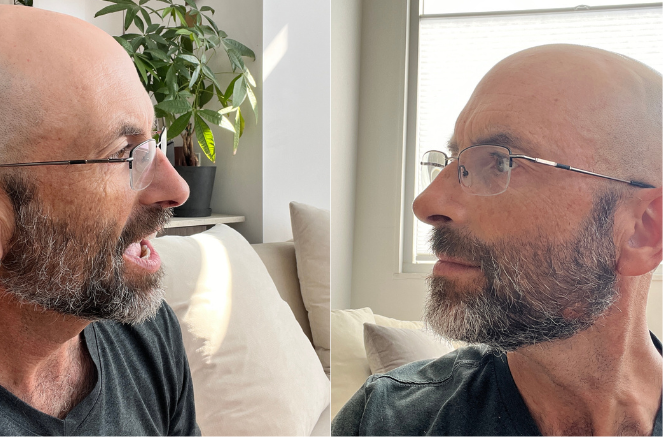
Do you ever take your own advice? Probably not as much as you'd like. Maybe you don't trust yourself. Or your own advice has led you astray in the past.
But what if you knew the advice was rock solid. And what if the voice you were hearing was not the familiar internal monologue, but your actual voice, speaking words of wisdom (Let It Be!!!) directly to you. This isn't science fiction - it's the reality of AI-cloned voices, and it's revolutionizing how we approach personal growth and self-reflection.
The first experience of hearing an AI-cloned version of your own voice offering advice is, well, kinda weird! But it's also cool. It's like tapping into the highest version of yourself - the one who's internalized all those self-help books and inspirational podcasts. But there's something profoundly different about hearing it externally. It sounds more effective. It's like another level of self-talk, the voice inside your head coming to life.
One might assume that hearing your own voice would be off-putting. After all, many of us cringe at the sound of our recorded voices. If you find your own voice challenging, try using the voice of a loved one or someone you trust. I switched to my wife's voice. Laurie has a rich alto with a calming effect. Perfect for self help. In fact I do recommend taking a listen to her at Hold The Light Collective. Side note: I met Laurie, when she auditioned as a singer for my band. Obviously she got the gig! Her voice is miraculous. Take a listen to her incredible singing in the song If You Hear Me, by Dogwood Moon here.
If you do use your own voice. There is a special superpower in this approach which lies in how our brains process information. As explained by many experts in self development, including Dr. Joe Dispenza, our brain doesn't know the difference between what actually happens and what we imagine to happen. By hearing our own voice give advice, we're essentially convincing ourselves that we've already learned and internalized the material. It's a shortcut to self-improvement that leverages our brain's inability to distinguish between reality and convincing simulation.
Our brain doesn't know the difference between what actually happens and what we imagine to happen.
The applications for this technology extend far beyond simple self-affirmations. Imagine interactive therapy sessions where you hear advice in the voice of a trusted family member, or maybe even the person with whom you have the pressing conflict. Or picture yourself engaging with your favorite self-help book, asking questions and receiving answers in a voice you trust implicitly.
This isn't about replacing traditional methods of self-reflection like journaling or meditation. But let's face it, different people learn in different ways. This just opens up another avenue for people to receive information in the way they respond best to it.
As this technology evolves, we're likely to see a shift in how we approach personal growth and self-reflection. The voice in our head - that constant companion offering advice, criticism, and encouragement - is no longer confined to our imagination. It's audible, interactive, and surprisingly effective.
Join us at Family Voices AI to see how we're using this help reconnect family generations and preserve their stories forever.
